Buying an apartment in Sri Lanka as a foreigner
Yes, a foreigner can buy an apartment in Sri Lanka outright. Condominium parcels are exempt from the 2014 land ban under Section 3(1)(b) of the Land (Restrictions on Alienation) Act, on any floor since the 2018 amendment, provided the entire price is paid upfront through an inward foreign remittance before the deed is executed.
What is the rule for foreigners buying an apartment?
The Land (Restrictions on Alienation) Act No. 38 of 2014 originally let foreigners buy only units on or above the fourth floor. Amendment Act No. 21 of 2018 removed the floor test. Today the two conditions are:
- The unit must be a condominium parcel under the Apartment Ownership Law, meaning the building has a registered condominium plan and each unit is a separately registrable parcel.
- The entire value must be paid upfront by inward foreign remittance before the transfer deed is signed. Money already sitting in Sri Lanka from other sources does not qualify.
Section 3(1)(b) sets no limit on the number of units one foreigner may hold; confirm with your lawyer that no other rule applies to your case. Title is freehold, in your own name, registered at the Land Registry like any other property.
What counts as a condominium apartment?
Not every "apartment" qualifies. A floor of a house, a villa in a gated compound, or a unit in a building whose condominium plan is not yet registered is not a condominium parcel in law. Ask for the registered condominium plan and the Condominium Management Authority registration. Off-plan, the exemption applies only once the plan is registered; your lawyer should structure the pre-sale agreement and payment schedule around that.
How does a foreigner pay for an apartment in Sri Lanka?
Open an Inward Investment Account (IIA) with a licensed Sri Lankan bank and remit the funds from abroad into it. Paying the seller from that account gives the Registrar the trail it expects and preserves your right to repatriate rent and sale proceeds later. Set this up before you sign, and confirm the account requirements with your bank and your lawyer.
What does it cost to buy an apartment?
- Stamp duty on transfer: 3% on the first Rs 100,000 and 4% on the balance (Western Province rate; stamp duty is provincial).
- Legal fees: typically 1% to 2% of the price.
- Management corporation fees monthly, set by the building.
- New-build prices may include VAT; check whether the quoted price is inclusive. Full breakdown in the cost guide.
Where do foreigners buy apartments in Sri Lanka?
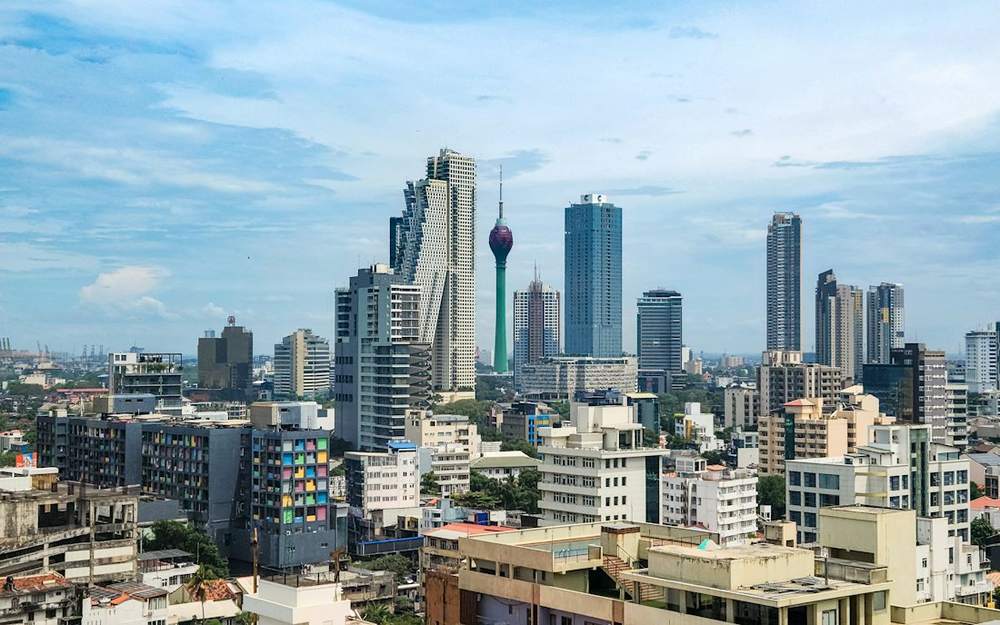
Colombo is where almost all foreign apartment purchases happen. Established stock is in Colombo 2, 3, 5 and 7, with newer towers along Marine Drive. Port City Colombo runs under its own legal framework and is not covered here. On the south coast the apartment market is small: a handful of projects in Galle, Unawatuna and Weligama. For most south-coast buyers the real choice is between an apartment in Colombo and leasehold land by the sea.
Check in Colombo: the developer's track record and whether earlier buildings have registered plans; the management corporation's accounts and sinking fund; the deed of the unit, not the brochure; and that parking and storage are inside the parcel.
Frequently asked questions
Can I buy a ground-floor or second-floor apartment?
Yes. The fourth-floor rule was removed in 2018. Any registered condominium parcel qualifies, as long as the payment condition is met.
Can I rent the apartment out?
Yes. Rental income is taxable in Sri Lanka and you will need a tax file; confirm your position with your lawyer or tax adviser. If the funds came in through an IIA you can remit net rental income and, on sale, the proceeds, subject to the bank's documentation. Many Colombo owners use a management company; expect a fee of one month's rent or a percentage.
Is an apartment a better option than a 99-year lease on land?
For a Colombo base or a pure investment, usually yes: freehold title, no term running down, easier resale. For a south-coast villa or a plot to build on, a lease is the only realistic route. Our guide to whether foreigners can buy land compares the routes.
General information, not legal advice. Laws and rates change; confirm every point with your own Sri Lankan lawyer before you pay a deposit.