The 8 steps to buy land in Sri Lanka safely
Buying land in Sri Lanka safely comes down to eight steps in a fixed order: survey plan, 30-year title search, reservation checks, structure and terms, agreement to sell with deposit, stamp duty and deed, registration, and post-completion. Do them in this order, with your own lawyer, and most of the horror stories become impossible.

1. Get a fresh survey plan
Ask the seller for the existing plan, then have a licensed surveyor prepare a new one in your presence. It confirms the boundaries on the ground, the extent in acres, roods and perches, access, and whether neighbours' fences or buildings encroach. The new plan becomes part of your deed. One perch is 25.29 m²; 40 perches make a rood and 160 perches an acre.
2. Run a 30-year title search
Your lawyer obtains the registry extracts (pedigree) for the land at the Galle or Matara Land Registry and traces every deed back at least 30 years, which comfortably covers the 10-year prescription period under the Prescription Ordinance. The search should show an unbroken chain of ownership, all co-owners (inheritance often leaves several), no unreleased mortgages, no pending cases, and no caveats. Deeds of declaration, missing links and sellers who are not all the heirs are the common red flags. Do not accept the seller's lawyer's opinion as your title search.
3. Check reservations and permissions
Several authorities can take part of your plot or stop you building:
- Coast Conservation Department: the coastal zone runs 300 m landward of the mean high-water line, and a permit is needed to build in it. Setbacks vary by stretch; ask the CCD for the setback that applies to this plot.
- Local authority: street line and building line certificates, a non-vesting certificate, minimum plot size, and zoning where an Urban Development Authority plan applies; confirm what applies to your plot with the local authority or your lawyer.
- Stream, canal and road reservations.
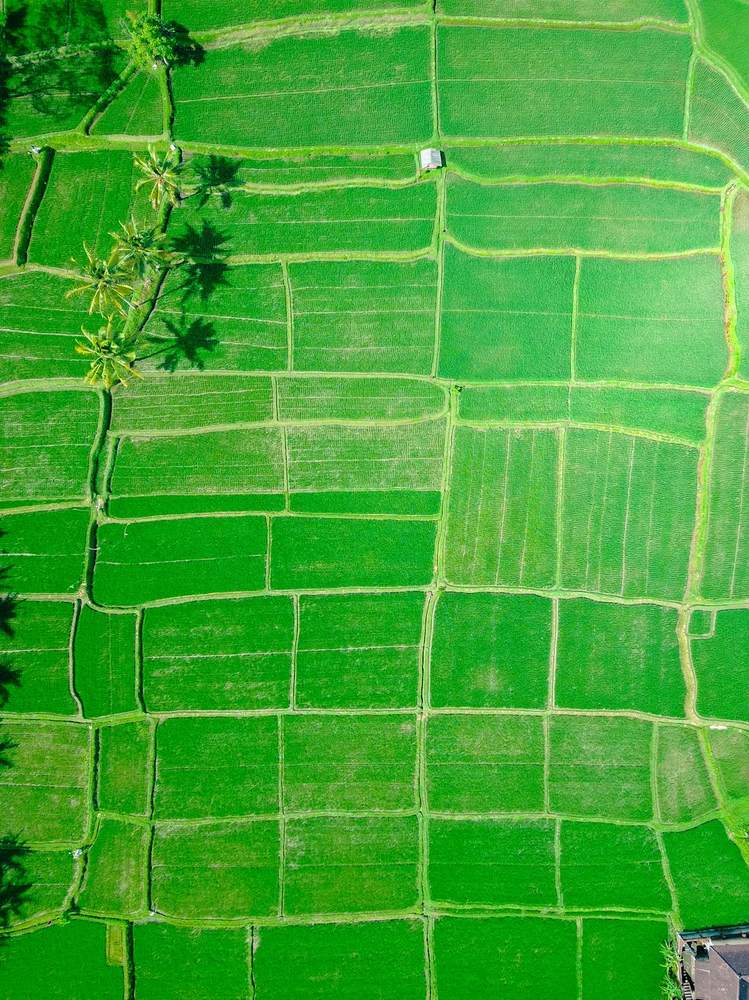
- Agrarian Development: land described as paddy (kumbura, deniya, owita) needs clearance before any change of use.
- Wildlife: within one mile of the boundary of a National Reserve, any development needs the prior written approval of the Director-General of Wildlife Conservation, with an environmental examination (Fauna and Flora Protection Ordinance, Section 9A).
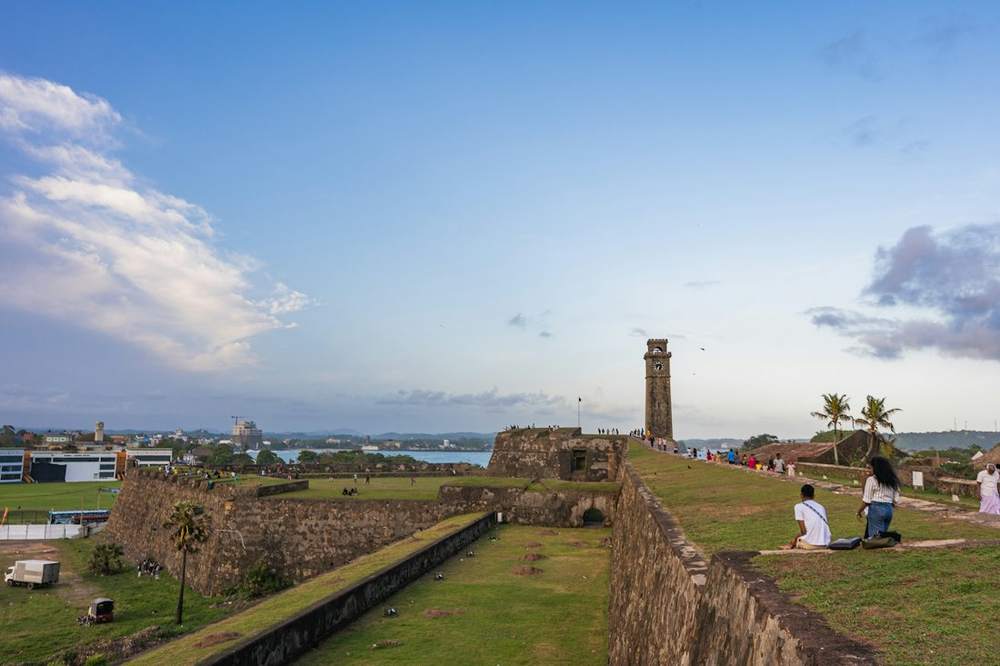
- Archaeology: reservations around Galle Fort and declared monuments; ask your lawyer whether the Department of Archaeology must be consulted.
Price only the buildable perches that are left.
4. Agree the structure and the terms
If you are foreign, decide now whether you are taking a 99-year lease, buying through a company with under 50% foreign shareholding, or are exempt as a dual citizen. See can a foreigner buy land in Sri Lanka. Fix the price per perch against the new survey extent, the completion date, who pays which costs, and what the seller must deliver (vacant possession, demolition, co-owner signatures).
5. Sign the agreement to sell and pay the deposit
The agreement to sell is a notarially attested, registrable contract that binds the seller while the remaining checks finish. A deposit of about 10% is customary, held or paid as the agreement states, with a clear forfeit and refund clause. Pay into a bank account, never cash, and from an account in your name so the inward remittance is documented.
6. Pay stamp duty and execute the deed
Stamp duty (3% on the first Rs 100,000, 4% on the balance, or 2% of dutiable rent on a lease since April 2025) is paid, then the deed of transfer or lease is signed before the notary and two witnesses, and the balance is paid against it. The full costs are in the cost guide.
7. Register at the Land Registry
Your lawyer lodges the deed at the Land Registry promptly. Registration fixes your priority against anyone else the seller might deal with. Collect the registered deed with the registry endorsement, and keep the original and a certified copy in separate places.
8. After completion
Transfer the assessment (rates) record and utilities into your name, fence the boundaries, apply for the CCD permit and building approval before any construction, and insure. Revisit the land regularly; vacant land that looks abandoned attracts encroachment.
Frequently asked questions
How long does it take?
Six to ten weeks from agreement to registered deed is typical when title is clean and all owners are available. Inherited land with heirs abroad, paddy clearances or a CCD query can add months. Build the timeline into the agreement to sell rather than paying the balance early to speed things up.
Do I need my own lawyer if the seller has one?
Yes. The seller's lawyer acts for the seller. Your lawyer runs the title search, drafts or reviews the agreement and deed, calculates stamp duty, and registers the deed. Fees of 1% to 2% are small against the price of a defective title.
Can I buy without visiting Sri Lanka?
You can complete by power of attorney, executed and authenticated abroad, and many buyers do. You should still see the land, or have someone you trust see it with the surveyor, before the agreement to sell. Browse land on the south coast and ask the agent for the deed and survey plan of any plot that interests you; an apartment is simpler still.
General information, not legal advice. Laws and rates change; confirm every point with your own Sri Lankan lawyer before you pay a deposit.