Building a villa on Sri Lanka's south coast: cost per square foot and approvals (2026)
A high-specification villa in Sri Lanka costs roughly LKR 23,000 per square foot to build in 2026: one design-and-build firm quotes LKR 35 to 50 million for 1,500 to 2,200 sq ft, excluding land. You need a building permit, a Coast Conservation permit within 300 m of the sea, and a Certificate of Conformity at the end.
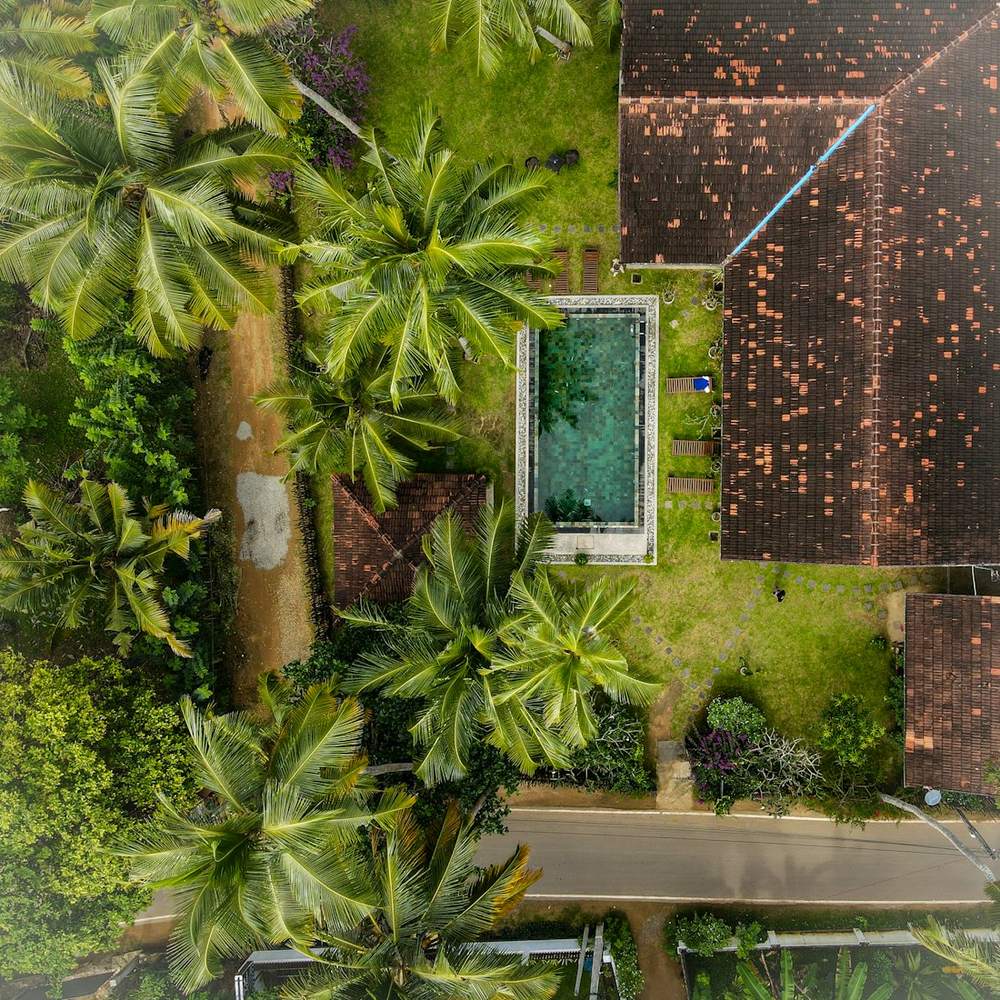
How much does it cost to build a villa per square foot?
There is no official per-square-foot rate for houses in Sri Lanka, and builders quote very differently by finish. One published benchmark: a Sri Lankan design-and-build firm lists, for luxury homes excluding land,
| Size | Bedrooms | Build cost (LKR) | Per sq ft (approx.) |
|---|---|---|---|
| 1,500 to 2,200 sq ft | 2 to 3 | 35 to 50 million | 22,700 to 23,300 |
| 2,200 to 3,500 sq ft | 4 to 5 | 50 to 90 million | 22,700 to 25,700 |
| 3,500 sq ft and above, complex designs | 100 million and above |
The firm says these cover design, engineering, materials, finishes, fixtures, lighting, electrics and project management, and exclude land preparation, local authority fees, driveways, boundary walls, landscaping and furniture. A simpler finish costs less; a pool, sea-facing glazing and imported fittings cost more. Get at least three itemised quotes (a bill of quantities) for the same drawings.
What drives the cost on the south coast?
- Materials and labour. The Chartered Institute of Building (CIOB) Sri Lanka's 2025 report found steel prices down 21% and cement up 3% on 2024, with skilled wages up about 5%, after costs rose 81% in rupees between 2020 and 2025.
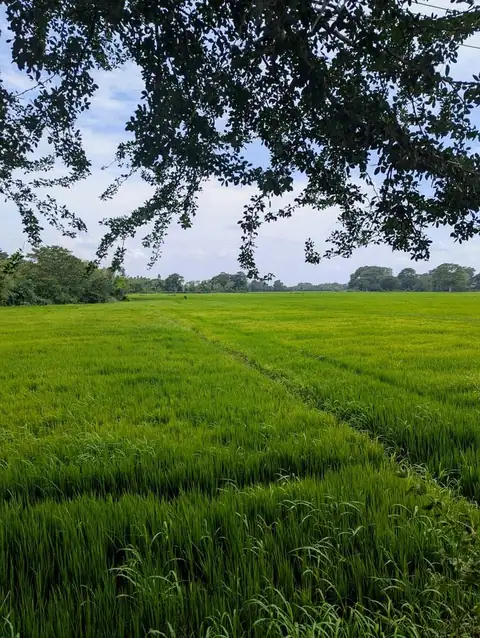
- Site. Slopes, rock, a high water table near paddy, and long access roads add foundation and transport cost.
- Coastal exposure. Salt air near the sea calls for corrosion-resistant fittings and more maintenance.
- Utilities. Electricity connection distance, well or pipe-borne water, and septic or treatment systems.
Which approvals do I need to build a villa?
- Check the land first. Paddy land needs Agrarian Development permission before any filling or building; see can you build on paddy land.
- Coast Conservation permit if any part of the work is within 300 m of the mean high water line, respecting the setback (35 m from Unawatuna to Goyambokka, near Tangalle, under the 2024 plan); see coastal setback rules.
- Building plan approval / development permit from the local authority. In areas declared under the Urban Development Authority Law, the UDA Planning and Development Regulations 2021 apply: a development permit is needed to build, alter or renovate, it is valid for one year and can be extended by up to two years if work has started, and residential projects over 1,000 m² of floor area or 15 m in height need preliminary planning clearance from the UDA first.
- Other clearances the planning committee may ask for under its by-law, for example a recommendation from the National Building Research Organisation for land within its area.
- Certificate of Conformity from the local authority once the building matches the approved plan. Keep it with your deed or lease.
Can a foreigner build on leased land?
Yes, if the lease allows it. A foreigner cannot own the land freehold, but can build on land held on a lease of up to 99 years, and the lease should expressly permit construction, cover what happens to the buildings at the end of the term, and allow you to sub-let. See the 99-year lease explained. If you plan to rent the villa to tourists, it must be registered with the Sri Lanka Tourism Development Authority; see villa rental yields in Ahangama and Weligama.
Frequently asked questions
How much does a 3-bedroom villa cost to build in Sri Lanka?
At high specification, around LKR 35 to 50 million for 1,500 to 2,200 sq ft, or more for a larger plan, excluding land, according to one firm's January 2026 price guide. Add the pool, walls, landscaping, furniture, fees and a contingency of your choice.
How long does building approval take?
It varies by authority. As one example, the 2025 building by-law of the Embilipitiya Pradeshiya Sabha requires a decision, or reasons for refusal, within 30 days of a complete application. Coastal and paddy permits add time; start them early.
Do I need an architect?
Check the local authority's by-law for who may sign the plans it accepts. In practice, a qualified architect who knows the local authority and the CC&CRMD will prepare drawings that pass first time, which is where most of the delay comes from.
What is the minimum plot size to build a house?
Under the UDA regulations, a newly subdivided lot must be at least 150 m² (about 6 perches), or 250 m² without pipe-borne water, unless the local development plan says otherwise. Local authority by-laws set their own minimums. See the perch converter.
Can I build first and get approval later?
Do not. Unapproved development is an offence under local authority law (the Embilipitiya by-law, for example, makes it punishable by a magistrate's court under section 122 of the Pradeshiya Sabha Act No. 15 of 1987), and courts can order unauthorised structures removed on paddy land or in the coastal zone. Some authorities allow regularisation for an extra charge, but you should not plan on it.
Sources
- House construction cost in Sri Lanka for a luxury home (ranges excluding land; inclusions and exclusions), MVIVO, updated January 2026
- Construction costs continue to stabilise: CIOB Sri Lanka Construction Cost Report 2025, Daily FT
- Urban Development Authority Planning and Development Regulations 2021, Gazette Extraordinary No. 2235/54 of 8 July 2021 (development permits, regulation 28 and 30; preliminary planning clearance; minimum lot sizes)
- By-law of land plans, subdivision plans and building plan approval, Embilipitiya Pradeshiya Sabha, Gazette Extraordinary No. 2419/04 of 15 January 2025
- Revised Coastal Zone and Coastal Resource Management Plan 2024, Coast Conservation and Coastal Resource Management Department
- Agrarian Development Act No. 46 of 2000, sections 32 to 34, Government of Sri Lanka
General information, not legal advice. Laws and rates change; confirm every point with your own Sri Lankan lawyer before you pay a deposit.